The U.S. Department of Energy (DOE) has opened a new funding round to expand access to university research reactors, aligning federal funds with states, universities and local governments pursuing nuclear energy.
The fiscal year (FY) 2026 University Reactor Sharing and Outreach Program seeks to strengthen nuclear science education, bolster workforce development and broaden community engagement with nuclear technologies as states and local governments increasingly pursue nuclear energy initiatives nationwide. DOE is inviting colleges and universities to apply for grants that could help share nuclear science facilities with schools and institutions that lack them.
The DOE’s Notice of Funding Opportunity (NOFO) is now accepting applications from universities and colleges with existing research reactors, with an application deadline of Feb. 27. Grants could total roughly $1 million, with individual awards up to $200,000. The DOE anticipates making approximately five awards.
Only 24 U.S. universities and colleges with existing nuclear research reactors may apply as host institutions. The program allows established reactor hosts to work with schools and “user institutions” that do not have their own facilities to develop nuclear laboratories, tours, workshops and practical instruction.
The program is designed to widen access to nuclear research facilities for underserved educational institutions, including tribal colleges, technical or vocational schools, community colleges and K-12 schools. It supports nuclear science curriculum, instruction, outreach and early workforce education at a time when demand for nuclear-trained technicians and engineers is rising.
The program connects to a broader DOE effort to build a diverse, skilled nuclear workforce for energy, defense and research sectors. Last year, the DOE awarded nearly $600,000 to universities under the same program.
Across the country, more states and local governments are stepping up nuclear energy initiatives that complement federal education and research support. Last year, in New York, Gov. Kathy Hochul directed the New York Power Authority to develop a zero-emission advanced nuclear energy plant, part of a broader clean energy strategy. In Virginia, officials have taken steps to bring an advanced nuclear reactor project to Wise County, responding to energy demand and carbon-reduction goals. Major corporate partnerships, such as agreements with technology companies and advanced nuclear developers this year, reflect growing private sector support for nuclear facilities.
Academic institutions are also advancing their nuclear research capabilities. Purdue University’s School of Nuclear Engineering leads a multi-institution project backed by a $6 million DOE grant to expand research into small modular reactors (SMRs) and advanced reactor (AR) systems, creating regional research hubs and workforce education pipelines. Five universities and colleges and two national labs will improve research facilities and promote education.
At the University of Illinois Urbana-Champaign, a strategic partnership with microreactor developer NANO Nuclear Energy will bring the Kronos micro-modular reactor (MMR) to campus, offering research data and hands-on training opportunities. The University of Missouri is progressing plans for a $1.2 billion NextGen research reactor that would expand medical isotope production and nuclear research capacity.
These efforts reflect a broader trend of investment in nuclear technology and education at both the federal and local levels, positioning reactors and reactor access as critical tools for workforce preparation, innovation and energy security.
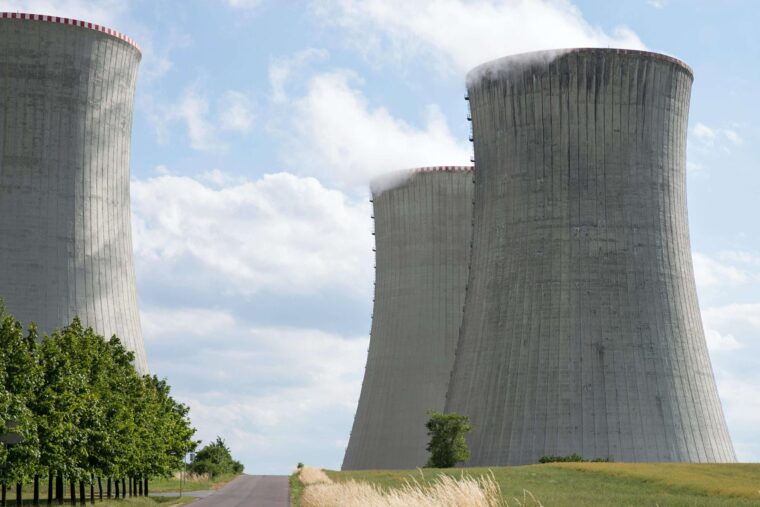
Photo by Vladimír Sládek from Pexels
For more of the latest from the expansive government marketplace, check Government Market News daily for new stories, insights and profiles from public sector professionals. Check out our national contracting newsletter here.
The post Public university partnerships to lead nuclear development under DOE NOFO appeared first on Government Market News.