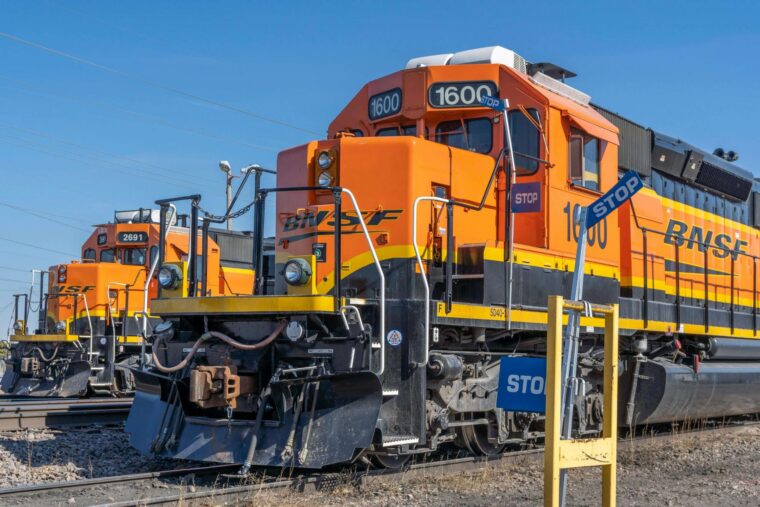
The state of Colorado is advancing plans for a long-discussed passenger rail line along the Front Range Urban Corridor, reaching a preliminary agreement with BNSF Railway to launch the Colorado Connector (CoCo) between Denver and Fort Collins using mostly existing tracks.
The CoCo commuter rail line would cost about $33 million, according to revised estimates, by limiting service and relying on current infrastructure. The plan calls for three daily round trips along the roughly 75-mile corridor, with annual operating costs estimated at about $30 million.
Proposed stops include Loveland, Longmont, Boulder, Louisville, Broomfield and Westminster. Travel time between Denver and Fort Collins is expected to be just under two hours.
Voters previously approved funding for a larger Front Range rail effort, but the project never moved forward as cost estimates climbed into the billions. State officials say this version is designed to avoid those hurdles by starting smaller and building out service over time.
While funding for the full buildout and renovation work has yet to be finalized, officials say it will likely include a mix of state, local and federal dollars. Lawmakers are also considering a new funding source tied to communities along the route, such as a voter-approved regional tax or rail district that could help pay for construction and ongoing operations.
The agreement sets up the next steps, including environmental review, additional negotiations with BNSF and securing funding. If those pieces come together, initial service could begin within the next several years, with future phases adding frequency and potentially expanding the route.
Photo by Charles Haacker from Pexels
For more of the latest from the expansive government marketplace, check Government Market News daily for new stories, insights and profiles from public sector professionals. Check out our national contracting newsletter here.
The post Colorado advances Denver-to-Fort Collins rail project appeared first on Government Market News.