As Sponsored Content, this article provides perspectives from contributing experts to help readers stay informed about current trends and opportunities. This article was written in conjunction with internationally recognized law firm Grossman & Kelly, an entity that assists eligible communities capture funding to restore and enhance water and wastewater systems.
Billions of dollars are available for cities, counties, and water utilities to reinforce water and wastewater systems tied to a national PFAS water legal settlement. Yet, many eligible public water systems have not taken any action to ensure that they are in line to receive the funding. A total of $13 billion highlights the first round of settlement funding, with additional rounds anticipated for claims against other defendants and for other claims such as airport and fire turnout gear contamination.
With a July 15 deadline, time is running out for officials to secure funding through the PFAS settlement. Future recovery rights will be lost after the deadline. Governmental entities have time still to be awarded funding that is needed, and one has to wonder why no action has been taken when the only requirement is to obtain counsel to ensure that they continue to be eligible.
For decades, taxpayers have funded drinking water infrastructure, source water protection, environmental monitoring, and treatment system upgrades. Public sector officials have worked to develop new water sources, maintain compliance, and safeguard public health. The lawsuit that now makes funding available to help them recoup some of their costs was successful, and there will be more funding available soon for other divisions of local governments.
Public officials should be aware of the settlement deadlines as the current round will dictate eligibility for future funding rounds. Additionally, private water utilities are also eligible for funding and need to be represented by counsel to ensure that settlement funds are delivered.
The National PFAS water settlement funding is available to repay some of the costs that governmental entities have had to assume since the 1950s to provide safe drinking water to residents. The settlement comes after some private corporations contaminated public water systems, fire departments, military sites, airports, industrial areas, landfills, and many other public and private entities across the country with Per- and Polyfluoroalkyl Substances (PFAS) or “forever chemicals”.
PFAS chemicals are widely utilized in consumer and industrial products for stain resistance, grease protection, and water resistance properties. PFAS chemicals are man-made and have extremely strong chemical bonds that persist in water, soil, and living organisms for prolonged periods of time. Notably, PFAS is harmful to water systems and the people they serve.
The current national PFAS water settlement provides an avenue for leaders to recover millions of dollars from the companies held liable for introducing PFAS into their communities. Settlement proceeds can help offset future utility, infrastructure, environmental, and compliance-related costs.
For local governments, the opportunity to participate in the settlement is significant. The $13 billion that was pledged through PFAS settlements has already allocated millions of dollars for municipalities. Yet, despite the size of the settlement funds and the eligibility already listed, only a small percentage of potentially eligible public water systems have retained counsel to ensure that they are included. Stranger still, is that fact when no upfront costs are required for legal counsel.
It is assumed that many officials have not acted because of the confusion about eligibility, the approaching deadline, and any costs that might be incurred. Some local officials assume their community was not affected because prior testing did not detect PFAS. However, prior negative test results do not rule out eligibility. Participation can depend on multiple factors, and it is therefore critical for community leaders to consult counsel before deciding against involvement. Communities that do not evaluate their eligibility could miss an opportunity to recover funds to offset past costs and future obligations. Taxpayers who covered earlier PFAS costs will appreciate being reimbursed.
For city managers, utility directors, county leaders, and governing boards, the next step is straightforward: A brief discussion with an experienced environmental attorney is all that is needed.
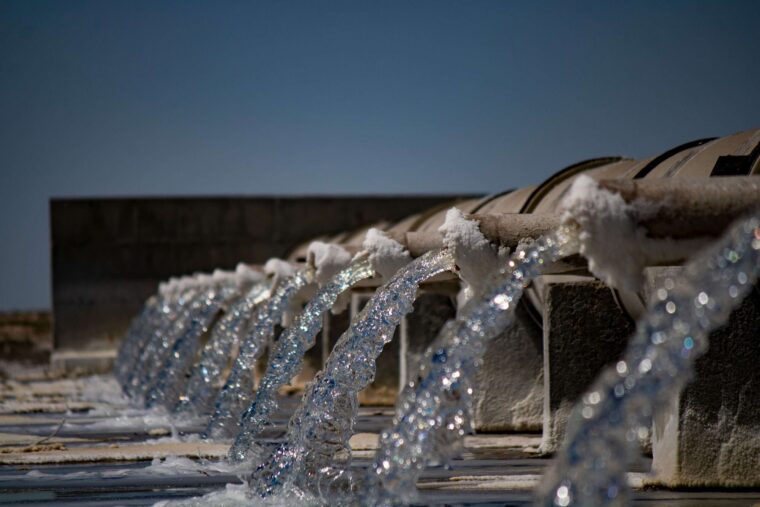
Photo by Orhan Akbaba from Pexels
The internationally recognized law firm Grossman & Kelly is working with local governments throughout the U.S. and takes only a contingency fee to help municipalities get on the list for funding. The firm’s attorneys ensure that everything is done, and all relevant requirements are made before the window closes.
More information is available online through the PFASClaimAction.com webpage. It only takes a quick call to get listed so click here for scheduling information and to read more about the $13 billion that is currently available for cities, counties, water utility districts, and private water managers. https://pfasclaimaction.com/.
The post PFAS settlement window narrows as billions remain available for eligible communities appeared first on Government Market News.