
The White House has released a national resilience strategy that could reshape how federal agencies prioritize infrastructure, preparedness and disaster planning over the next several years, shifting the focus from preparing for every possible threat to directing resources toward the risks considered most significant.
The strategy frames resilience as the ability of critical systems within the nation to withstand disruptions, continue operating, and recover quickly when failures occur.
The strategy is based on President Trump’s Executive Order 14239 from March 2025. It said federal policy should recognize that preparedness is most effectively managed at the state and local levels, while the federal government supports those efforts. It specifically called for reviewing infrastructure and preparedness policies and shifting toward risk-informed decision-making. The order also created a National Risk Register intended to identify and assess risks across critical areas and infrastructure sectors.
Although the new strategy may not immediately change how the government responds to emergencies or how funding is provided, it changes the way risks are evaluated and how federal priorities may be determined.
Built around four resilience domains, the strategy is expected to frame when, how, and why federal support may be needed. National infrastructure, including roads, bridges, utilities and other critical systems, must be able to withstand disruptions and recover quickly. The economic domain focuses on maintaining production, manufacturing and supply chains despite interruptions. Public health and safety focuses on strengthening emergency response and helping communities prepare for disruptive events. National security focuses on protecting the systems and capabilities needed for the country to continue operating during a crisis.
Some sectors most likely to adjust to the new strategy include transportation infrastructure and facilities, energy grids and fuel systems, water infrastructure such as clean drinking water systems and flood and drought resilience, communications and cybersecurity, manufacturing and supply chain capacity, and emergency management and public safety.
The strategy represents a shift in how the federal government approaches resilience, moving away from a broad effort to prepare for every possible hazard and toward identifying the risks considered most likely to disrupt critical systems. The result could influence how agencies evaluate projects, allocate resources, and work with state and local governments in the coming years.
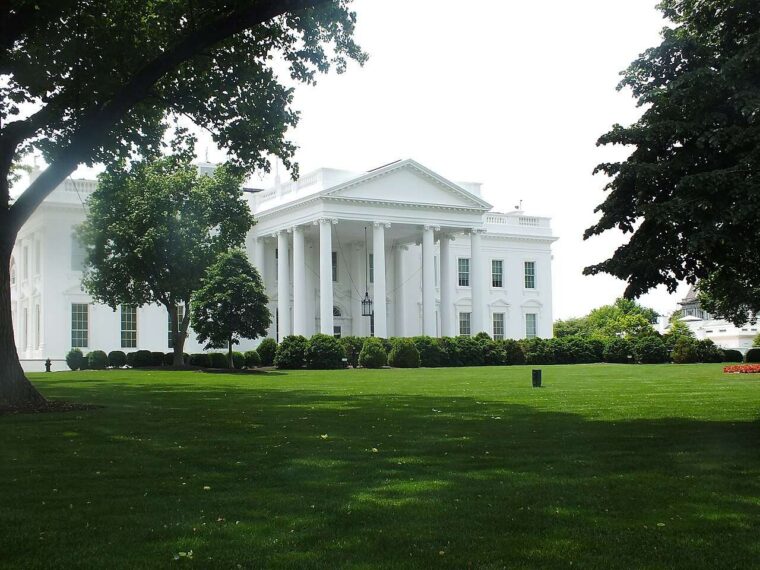
Photo by AramilFeraxa, CC BY 4.0 https://creativecommons.org/licenses/by/4.0, from Wikimedia Commons
For more of the latest from the expansive government marketplace, check Government Market News daily for new stories, insights and profiles from public sector professionals. Check out our national contracting newsletter here.
The post White House plan targets stronger infrastructure, disaster preparedness appeared first on Government Market News.